
Selecting Wider for Ecology and Humanity
FEL recognizes the need for a more integrated approach to solving the complex challenges facing our world.
Drawing from diverse fields such as ecology, complexity science, cultural studies, and design, FEL was established to bridge the gap between theory and practice, ensuring that our research and ideas lead to tangible, impactful outcomes.
FEATURED EVENT
Feral Salon Presents: Syntropy w Jeffrey Dunne
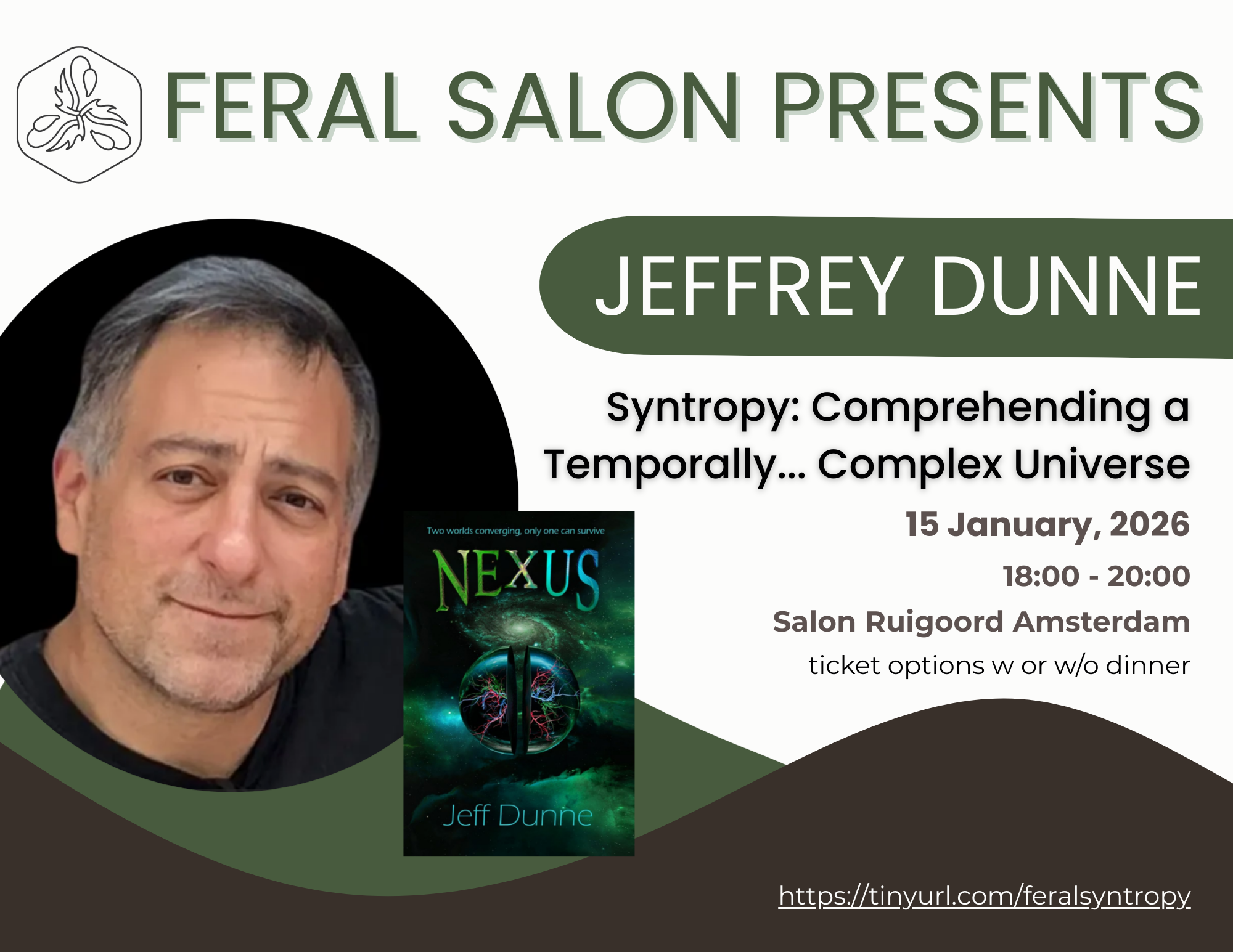
About the event
Evening programme:
 Salon Ruigoord Amsterdam – where art, ecology, and spirit converge in living conversation.
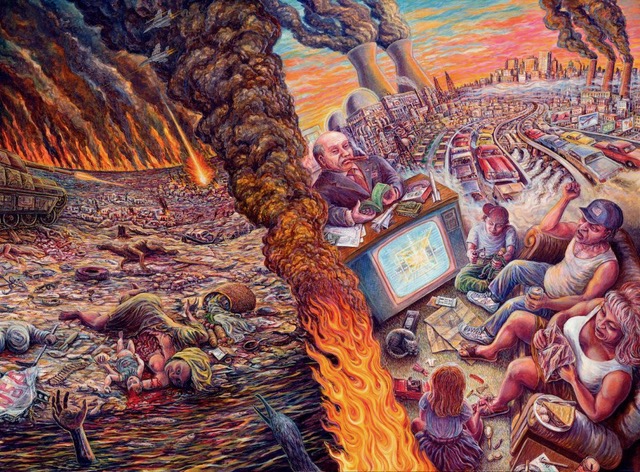
The Plate-Spinning Trip of Climate Agnotology
The Philosophical Salon
Reframing “climate denial” as a strategic disavowal practiced by actors who understand the science but mobilize misinformation, identity defense, and extractive logics to obstruct systemic change. This piece analyzes how agnotology, reactionary politics, and institutionalized disbelief destabilize collective sense-making and accelerate ecological and social collapse. In response, it points toward the need for coordinated, cross-sector, systems-literate interventions—precisely the kind of transdisciplinary, ecology-attuned strategies sought by organizations preparing for complex, turbulent futures.
Featured Work
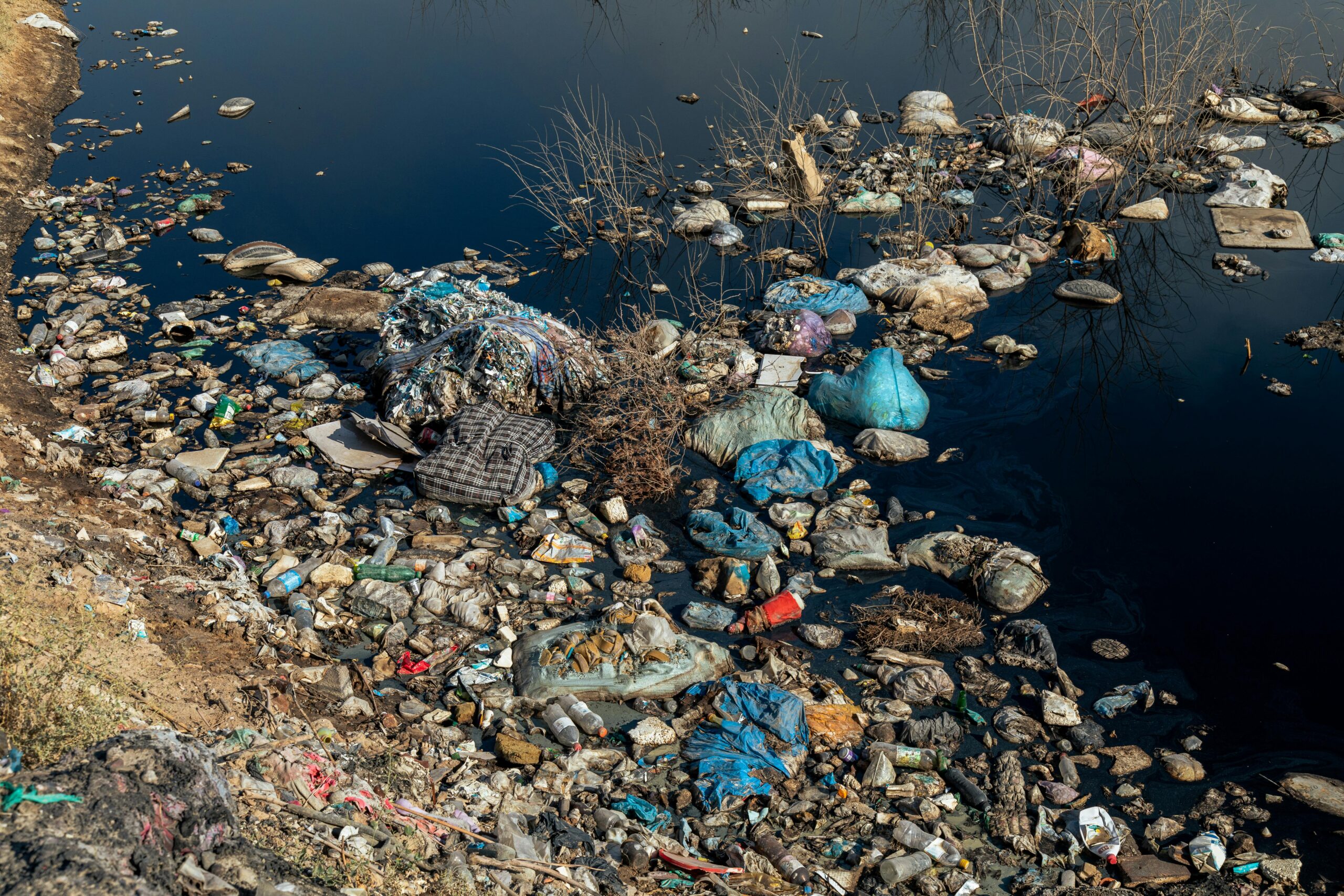
Waste colonialism in the Fast Fashion Industry:
An Exploration of Responsibility in an Irresponsible and
Unsustainable World
This thesis by Arwen Vonck investigates how the Global North’s fast-fashion system produces waste colonialism by offloading low-value textile waste onto Accra’s Kantamanto Market, creating severe ecological and social harm. It argues that these injustices are rooted in longstanding Western philosophical, economic and cultural frameworks, while highlighting the market’s practices of repair and reuse as living alternatives that model relational, collective responsibility.
How criminology can support environmental health: the case of PFAS
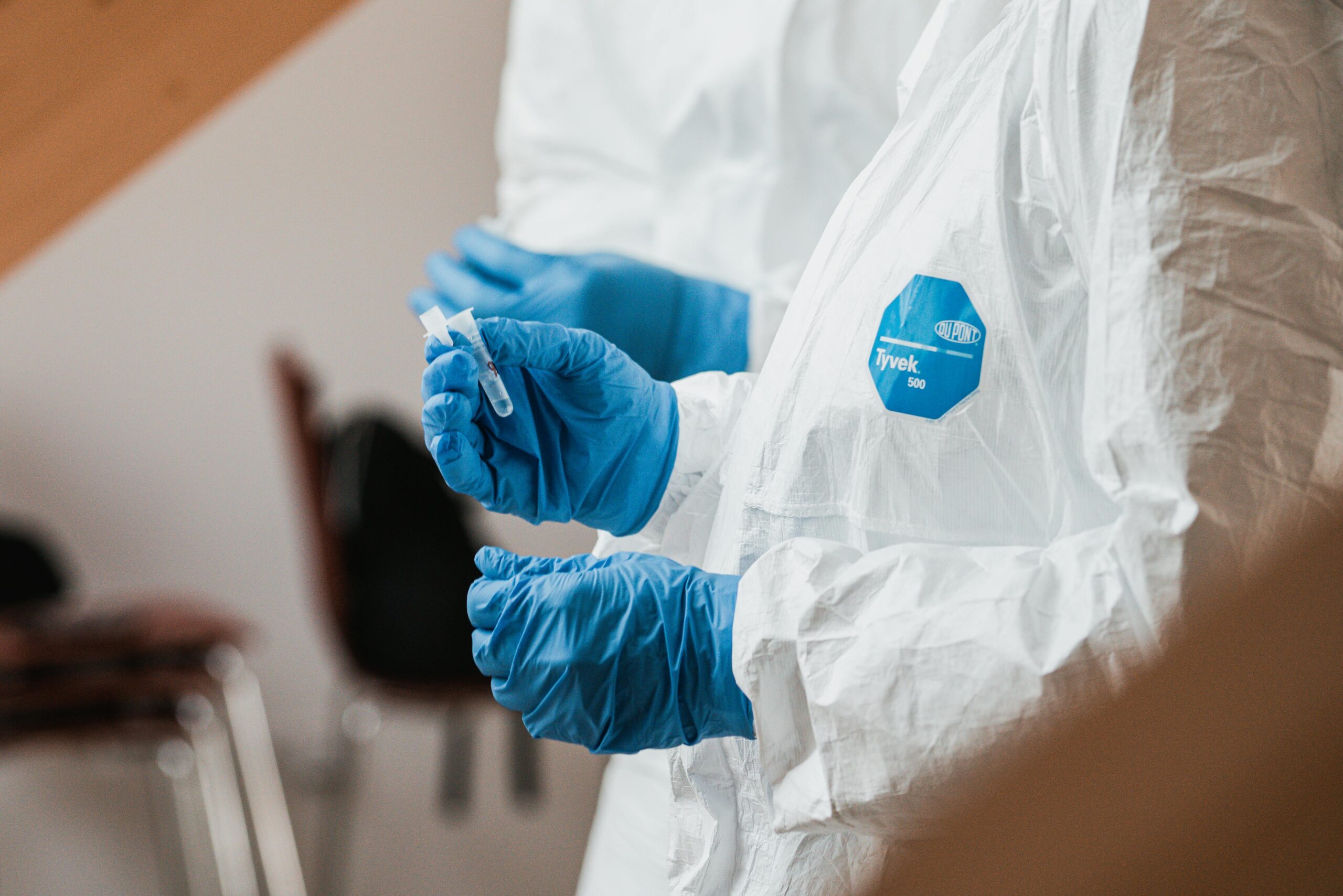
We argue that the field of criminology can aid in addressing PFAS (per- and polyfluoroalkyl substances) pollution, providing levers to achieve public health aims of drastically lowering and abating new PFAS emissions while addressing historic exposure. Based on a European example of the large DuPont de Nemours (now Chemours) industrial facility in Dordrecht, the Netherlands, we frame the history of PFAS exposures as a crime. We discuss how PFAS pollution emerged in part due to knowledge asymmetries, perpetuated by the close alignment of corporate and governmental interests, and the fragmentation of regulatory enforcement, both historic and contemporary.

To heat or to eat: Scrutinizing the institutional response to energy poverty in Rotterdam
The sudden extreme rise in energy prices across Europe and elsewhere due to the Russian invasion of Ukraine, has made apparent that even in affluent countries like the Netherlands, energy poverty – which comprises the combination of low income, high energy bills, and a home of high energy loss through inadequate insulation – poses a serious threat to numerous peoples livability. Subsequent increased public and policy scrutiny has precipitated a more diversified stakeholder landscape on a local level. This article investigates the institutional response to energy poverty and the lived experience of involved stakeholders in the urban area of Rotterdam.
In the Media
Shifting Individual & Corporate Values: Acknowledging Our Sensitivity & Interconnectedness in an Age of Corporate Malfeasance & Forever Chemicals
Shifting Individual & Corporate Values: Acknowledging Our Sensitivity & Interconnectedness in an Age of Corporate Malfeasance & Forever Chemicals
Feral Ecologies
The Netherlands